 Brico loco

Related Articles





Transform Your Space: Install a Ceiling Fan in a Single Afternoon
🛒 Shopping List
- ceiling fan kit (€50–€150)
- ceiling fan mounting bracket (€10–€20)
- wire connectors (€5–€10)
- electrical tape (€2–€5)
- wall switch (€5–€15)
✅ Outcome
- Professional finish with safe anchoring.
- Beginner-friendly, clean tools list.
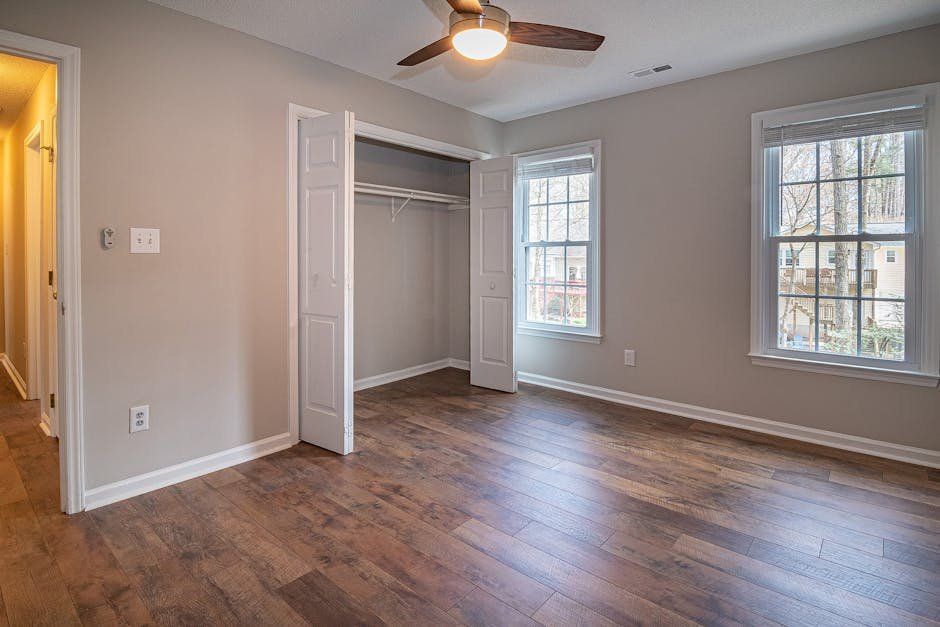
Installing a ceiling fan can be a game changer for any room, providing comfort and enhancing the decor. In just one afternoon, you can elevate your living space with a beautiful fan that not only cools but also adds a stylish flair. Whether you’re tackling heat in the summer or circulating warmth in the winter, this DIY project is both satisfying and straightforward. Ready to take the plunge? Let’s get started!
Overview
In this guide, we will walk you through the process of installing a ceiling fan, covering everything from the tools you’ll need to the final touches. Ceiling fans are an excellent alternative to air conditioning, offering a cost-effective and energy-efficient solution for maintaining a comfortable climate. If you’ve always relied on traditional light fixtures or have been hesitant to embrace the idea of a ceiling fan, this project will open your eyes to the many benefits of ceiling fans, such as improved airflow and reduced energy bills.
Materials
- Ceiling fan kit
- Ceiling fan mounting bracket
- Wire connectors
- Electrical tape
- Wall switch (if needed)
Tools Needed
- Screwdriver (flathead and Phillips)
- Wire stripper
- Pliers
- Drill with bits
- Voltage tester
- Ladder
Preparation
Before diving into the installation, it’s essential to ensure that you have a suitable ceiling junction box capable of supporting the weight of the fan. Check that your existing wiring is in good condition and compatible with the new fan. Remember to turn off the power at the circuit breaker to avoid any accidents while working. Having everything in place will make the installation process smoother and more efficient.
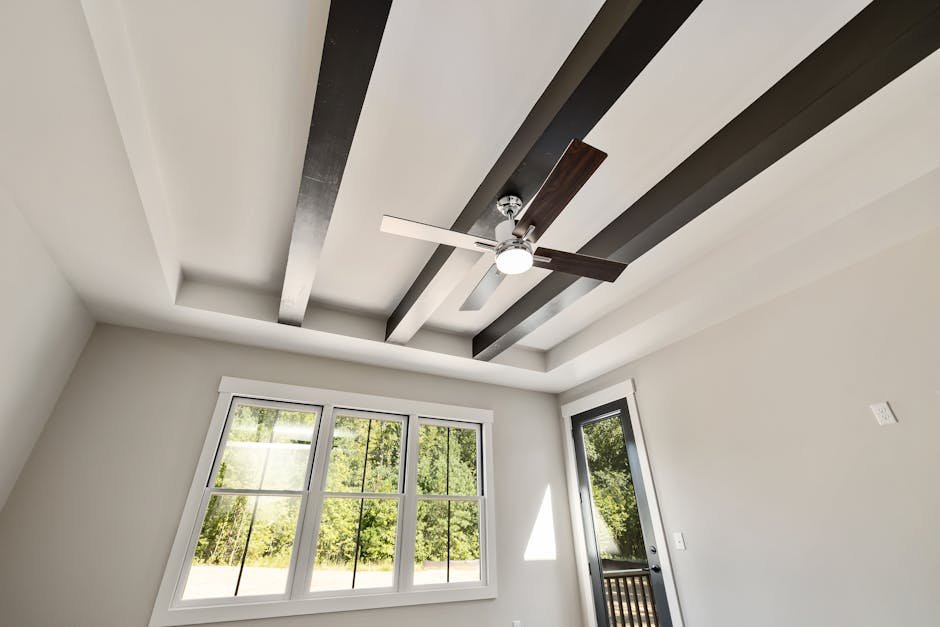
Step-by-Step Instructions
- Turn off the power – Begin by locating your electrical panel and switching off the circuit breaker to the room where you will be working. Use a voltage tester to ensure that the power is indeed off at the junction box. This step is crucial for your safety; working with live wires can be extremely dangerous.
- Remove the old fixture – If you are replacing an existing light fixture, take it down carefully. Remove the screws holding it in place and gently lower it from the ceiling. Disconnect the wires by unscrewing the wire connectors and separating the fixture from the electrical wiring. Set the old fixture aside for disposal.
- Install the mounting bracket – Use the screws and mounting bracket that came with your ceiling fan kit. Attach the bracket to the junction box, ensuring it is securely fastened and can support the weight of the fan. Double-check that all screws are tightened to avoid any wobbling when the fan is in use.
- Assemble the fan blades – Before attaching the fan to the ceiling, it’s often easier to assemble the fan blades while the fan is at a comfortable height. Follow the manufacturer’s instructions to attach the blades securely to the motor housing. Ensure that they are evenly spaced and secured tightly.
- Connect the wires – Carefully pull the wires through the center of the mounting bracket. Connect the fan wires to the house wiring using wire connectors. Typically, you’ll connect black to black (live), white to white (neutral), and green or bare to ground. Wrap electrical tape around the wire connectors for added security. If you’re installing a wall switch, make sure to follow the instructions for connecting that as well.
- Mount the fan – With the help of a friend or family member, lift the fan up to the mounting bracket and secure it according to the manufacturer’s guidelines. Ensure that all screws are tightened and that the fan is firmly in place. This is where having an extra pair of hands can make all the difference!
- Attach the light kit (if applicable) – If your ceiling fan includes a light kit, follow the instructions for connecting and securing it to the fan. Usually, this involves connecting a few additional wires and securing the light fixture with screws.
- Test the fan – Once everything is securely connected and mounted, turn the power back on at the circuit breaker. Test the fan to ensure it operates correctly, checking all speeds and the light function if applicable. If something doesn’t work, double-check your wire connections and ensure everything is properly secured.
- Finish up – Finally, tidy up your workspace, ensuring no tools or debris are left lying around. Make any aesthetic adjustments, like aligning the fan blades, and step back to appreciate your handiwork. You did it!
Tips & Techniques
Common Mistakes
- Not turning off the power before starting the installation.
- Using an inadequate junction box that can’t support the weight of the fan.
- Neglecting to secure the fan properly, which can lead to wobbling or even falling.
Safety Advice
- Always wear safety goggles to protect your eyes from debris while drilling.
- Use a sturdy ladder to reach high ceilings safely.
- Never work with electrical wiring while the power is on.
FAQ
Q? How long does it take to install a ceiling fan? A. If you follow this guide and have the right tools, you can complete the installation in about 2 to 4 hours, depending on your experience level.

Q? Do I need a wall switch for my ceiling fan? A. While it’s not necessary, having a wall switch can add convenience for controlling your fan. If your fan did not come with a wall switch, you can always retrofit one later.