 Brico loco
Related Articles


Transform Your Bathroom: Optimize Space and Enhance Fixture Placement for Maximum Functionality
🛒 Shopping List
- Wood screws (4–5mm) (€3–€6)
- Sandpaper (120–240 grit) (€2–€4)
✅ Outcome
- Professional finish with safe anchoring.
- Beginner-friendly, clean tools list.
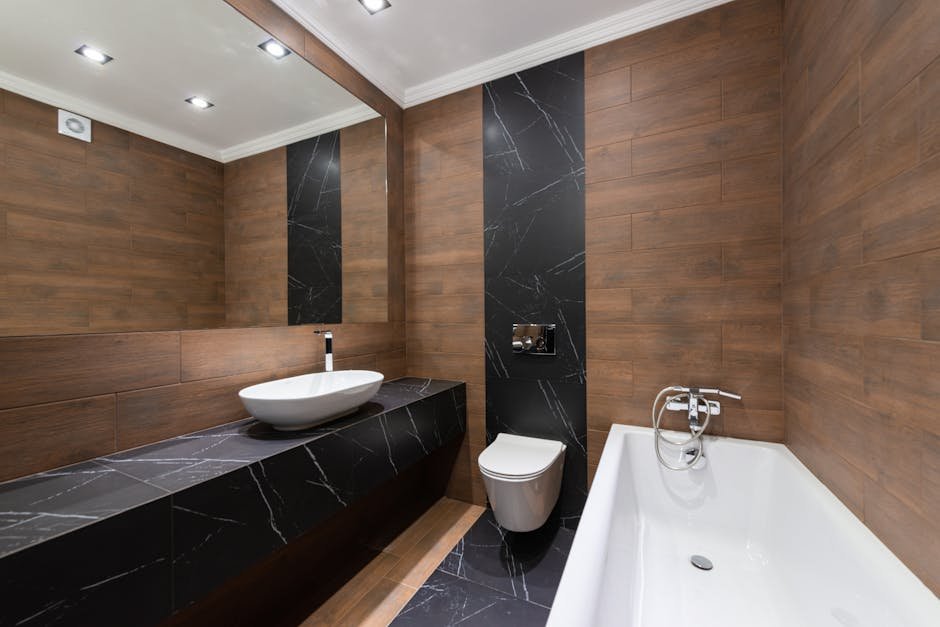
Are you feeling cramped in your bathroom? Struggling to find space for all your essentials? You’re not alone! Many homeowners face challenges related to layout and fixture placement in their bathrooms. However, by following a few strategic steps, you can enhance the functionality of your bathroom while making the best use of available space. This guide will take you through a comprehensive approach to optimize your bathroom layout, making it more comfortable and practical for daily use.
Overview
Optimizing your bathroom layout involves analyzing the current design and making adjustments to maximize the use of space and improve the placement of fixtures. This process is essential because an efficient layout not only enhances functionality but also elevates the overall aesthetic of the room. Whether you’re facing a small bathroom that feels cluttered or a larger space that is poorly organized, there are several alternatives to consider. Options include rearranging existing fixtures, installing space-saving solutions, or even remodeling certain areas to create a more open atmosphere.
Materials
- Measuring tape
- Pencil and paper (for sketching layouts)
- Bathroom fixtures (sinks, toilets, showers, etc.)
- Storage solutions (cabinets, shelves, or baskets)
- Wall paint or tiles (if necessary)
Tools Needed
- Level
- Drill
- Screwdriver
- Tile cutter (if replacing tiles)
- Utility knife
- Stud finder
Preparation
Before diving into your bathroom optimization project, it’s crucial to evaluate your space. Start by measuring the dimensions of your bathroom, including the location of doors, windows, and existing fixtures. Take note of any plumbing and electrical features that may restrict the placement of new fixtures. Making a rough sketch of your current layout can be beneficial to visualize potential changes. Also, consider your daily routine in the bathroom; think about how you use the space and what improvements could make it more efficient.
Step-by-Step Instructions
- Assess your current layout: Begin by taking detailed measurements of your bathroom space. Measure the length and width of the room, as well as the dimensions of your current fixtures. Pay attention to the spacing between these items and how they interact with one another. This assessment will help identify areas that feel cramped or cluttered, allowing you to pinpoint necessary adjustments. Consider where you typically stand while using each fixture to better understand traffic patterns in the room.
- Sketch a new layout: With your measurements in hand, create a scaled drawing of your bathroom. Include all existing features like windows, doors, and plumbing fixtures. Try to visualize different configurations, considering how moving one item affects the overall flow of the room. Don’t hesitate to try multiple versions; the goal is to find a layout that maximizes space and enhances functionality.
- Choose fixtures wisely: If your current fixtures are not working for your space, consider replacing them with more compact or multifunctional options. For example, a corner sink can save valuable space while offering a unique design element. Additionally, wall-mounted toilets and vanities can create a more open feel. Make sure to select fixtures that fit your needs and align with the aesthetic you’re aiming for.
- Plan for storage: An organized bathroom is a functional bathroom. Consider incorporating additional storage solutions that can be easily accessed while remaining out of sight. Floating shelves or cabinets can provide ample storage without cluttering the space. You might also want to invest in slimline storage solutions that can fit between existing fixtures, keeping your essentials organized and easy to reach.
- Consider lighting and ventilation: Proper lighting can dramatically change the perception of space in your bathroom. Natural light is ideal, so ensure that your windows are unobstructed. For artificial lighting, opt for bright, even illumination that reduces shadows. Additionally, ensure that your bathroom is well-ventilated to prevent moisture buildup, which can lead to mold and mildew.
- Implement changes gradually: If your project feels overwhelming, consider implementing changes gradually. Start with the most visible adjustments, such as repainting or changing light fixtures, before moving on to more significant tasks like fixture replacement or layout changes. This approach allows you to enjoy a sense of progression and accomplishment along the way.
- Seek professional help if needed: If you encounter plumbing or electrical work that seems beyond your skills, do not hesitate to consult professionals. A knowledgeable plumber or electrician can assess your layout and provide guidance on what is feasible while ensuring that all changes comply with local codes.
- Finalize your new layout: Once you have made all necessary changes, take a moment to evaluate how your new layout feels. Test out the flow of movement in the space and ensure that everything is easily accessible. It may take a little time to get used to your new setup, but ultimately, the goal is to create a functional and enjoyable space.
Tips & Techniques
Common Mistakes
- Underestimating the impact of lighting on the space.
- Overcrowding the bathroom with too many fixtures or decor.
- Neglecting to measure accurately before purchasing new fixtures.
- Forgetting about the importance of ventilation in preventing moisture issues.
Safety Advice
- Always turn off the water supply before replacing plumbing fixtures.
- Wear safety goggles and gloves when working with tools.
- Use a sturdy ladder if you need to reach higher areas for lighting or shelving.
- Make sure the workspace is well-lit to avoid accidents.
FAQ
Q? How much does it typically cost to remodel a bathroom?
A. The cost can vary widely depending on the extent of the changes. Minor adjustments could range from €500 to €1,500, while a complete remodel can cost €5,000 or more.
Q? Is it necessary to hire a professional for plumbing changes?
A. It is recommended to consult a professional for any significant plumbing work to ensure that it is done correctly and meets local regulations.