 Brico loco
Related Articles




Best Ways to Insulate Drafty Windows Using Foam Sealant and Weatherstripping Techniques
⏱️ Estimated reading time: 6 min
Introduction to Window Insulation
Insulating drafty windows is essential for improving your home’s energy efficiency. Not only does it enhance comfort, but it also helps lower energy bills by reducing heat loss during the colder months. We will delve into key insulation methods, focusing specifically on foam sealant and weatherstripping techniques.
- Importance of insulating drafty windows
- Impact on energy efficiency and comfort
- Overview of insulation methods: foam sealant and weatherstripping
Understanding Insulation and Its Role in Energy Conservation
Insulation serves as a barrier between your home’s interior and the outside environment, minimizing heat transfer and helping to maintain a stable indoor temperature. This can reduce the demand for excessive heating or cooling, ease the strain on HVAC systems, and extend their lifespan, ultimately leading to reduced energy costs.
Brief History of Window Insulation Methods
Historically, window insulation techniques have progressed from basic wooden shutters and storm windows to advanced, efficient materials. Innovations have introduced sealing products tailored for various window types and environmental conditions. For example, double-glazed windows, which gained popularity in the mid-20th century, improve insulation by incorporating a layer of air or gas between glass panes.
Statistical Data on Energy Savings from Window Insulation
Research shows that insulating drafty windows can yield up to 20% savings in heating and cooling costs, making it a smart investment for homeowners. According to a U.S. Department of Energy study, homeowners could save an average of $116 to $207 each year, depending on their location and chosen insulation methods.
Understanding Draftiness
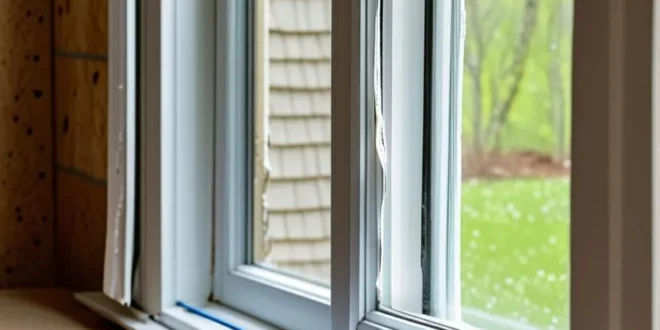
Drafty windows can turn cozy spaces into uncomfortable ones, leading to physical discomfort and higher energy bills. Identifying the sources and signs of window drafts is the initial step toward effective insulation.
- Common causes of drafty windows:
- Old or damaged window frames that lose structural integrity, allowing air to seep in.
- Improper installation or settling issues that create unintentional gaps.
- Seasonal changes affecting seals over time, especially in regions with extreme weather.
- Signs of a compromised window seal:
- Visible gaps or cracks that can be spotted during inspection.
- Physical sensations of cold drafts where warm air escapes and cold air enters.
- Increased dust accumulation near windows due to drafts bringing in dust and allergens.
- Impact of drafts on energy bills:
- Heat loss occurs when warm indoor air escapes through compromised seals, driving up heating costs.
- Statistics demonstrate significant savings potential from window insulation.
- Case studies reveal successful insulation interventions and the subsequent reduction in bills.
Materials Needed
To effectively insulate your drafty windows, gather the necessary tools and materials for both foam sealant and weatherstripping techniques.
- Types of foam sealants:
- Expanding foam sealants work well for larger gaps but should be applied with care to avoid over-expansion.
- Compressible foam sealants are suitable for smaller spaces and allow for controlled expansion.
- Be sure to check drying times and consider low-VOC formulas for better indoor air quality.
- Different weatherstripping materials:
- Adhesive-backed foam is effective around window frames, offering a flexible barrier.
- V-strips provide a rigid solution but may require precise fitting.
- Install door sweeps properly to seal the base of doors against drafts.
- Essential tools:
- A quality utility knife will create clean cuts in materials.
- Select the appropriate size caulk gun for ease of application.
- Accurate measuring tools are crucial; miscalculations can lead to wasted materials.
Foam Sealant Techniques
Applying foam sealant is a simple process that can greatly improve window insulation, especially for larger gaps.
Step-by-step Guide to Applying Foam Sealant:
- Clean the surface of the window frames and remove any old materials.
- Measure and cut the foam sealant to the appropriate length, leaving a slight excess for trimming.
- Using a caulk gun, apply foam sealant evenly into the gaps, filling smaller spaces slowly.
- Let the foam cure as directed by the manufacturer, typically between 1 to 8 hours.
- Trim any excess foam carefully with a utility knife to clean the edges.
Weatherstripping Techniques
Weatherstripping helps seal gaps around windows and doors, forming a tight barrier against drafts.
Step-by-step Guide to Installing Weatherstripping:
- Choose the correct type of weatherstripping based on the window material and gap size.
- Measure the gaps accurately to ensure the best fit.
- Apply adhesive weatherstripping directly onto clean surfaces or install metal V-strips carefully for a secure seal.
- Trim any excess material to prevent creating new gaps that could compromise insulation.
Comparative Review of Products
Selecting the right products for effective insulation is vital. Here are insights on foam sealants and weatherstripping options to support your decision-making.
- Top foam sealants:
- Analyzing options allows homeowners to compare features and benefits.
- User reviews from online sources provide insights into ease of application and product durability.
- Best weatherstripping options:
- Comparative charts on durability and performance can guide your selection.
- User testimonials highlight real-world effectiveness and ease of installation.
- User reviews and ratings:
- Focusing on genuine customer experiences can reveal product satisfaction and reliability.
- Look for eco-friendliness certifications to make environmentally conscious choices.
Final Thoughts and Best Practices
Effective window insulation enhances comfort and leads to significant energy savings, making it a worthwhile investment.
- Regular maintenance is key to sustaining insulation performance:
- Evaluate insulation effectiveness based on climate and age of materials.
- Schedule seasonal maintenance checks twice a year, ideally in the fall and spring.
- Combining methods for maximum insulation impact:
- Utilizing foam sealant and weatherstripping together can significantly reduce air infiltration.
- Select methods based on gap size and window condition to optimize insulation strategies.
- Encouragement to view window insulation as a DIY project:
- DIY efforts can be more cost-effective compared to hiring professionals.
- There are many resources and tutorials available for novice DIYers to learn effective techniques.

✍️ Written by Jason Miller — Former product tester turned reviewer focusing on performance metrics.
🤝 With contributions from Hannah Keller.
Frequently Asked Questions
What types of foam sealant are best for insulating drafty windows?
The best types of foam sealants for insulating drafty windows include expanding foam sealant, caulk, and spray foam specifically designed for windows and doors.
How do I properly apply weatherstripping to drafty windows?
To properly apply weatherstripping, first clean the window surface, then measure the length needed, cut the strip to size, and adhere it along the window frame where it will compress against the window when closed.
Can I use foam sealant instead of weatherstripping for windows?
Yes, foam sealant can be used instead of weatherstripping, but it is generally recommended to use both in combination for optimal insulation.
What is the difference between foam sealant and weatherstripping?
Foam sealant is a liquid that expands and hardens to fill gaps, while weatherstripping is a flexible material used to seal the edges of windows and doors against drafts.
How do I find the gaps in my windows that need sealing?
You can find gaps in your windows by visually inspecting for light or using a candle or incense stick to detect airflow when the windows are closed.
Is it worth insulating drafty windows with foam sealant and weatherstripping?
Yes, insulating drafty windows with foam sealant and weatherstripping can significantly reduce energy loss, lower heating costs, and increase comfort in your home.