 Brico loco
Related Articles



How to Replace a Broken Ceramic Tile in Your Bathroom Floor Without Damaging Surrounding Tiles
Introduction
Maintaining your bathroom floor enhances its aesthetic appeal and prevents potential structural issues caused by broken tiles.

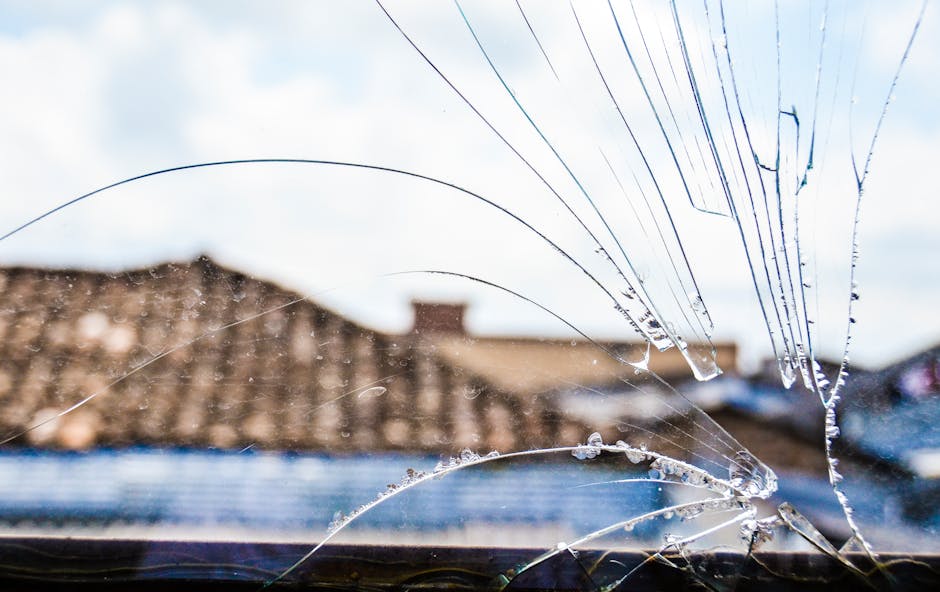
Ceramic tiles can crack for various reasons, including heavy impacts, water damage, temperature fluctuations, or faulty installation. Being aware of these factors can help you prevent future damage by taking preventative measures, such as using mats or managing moisture effectively.
Replacing a broken tile requires careful removal, proper preparation of the substrate, and precise installation of a new tile. Follow these steps for a professional-looking result without hiring a contractor.
Required Materials

- Replacement ceramic tile: Ensure the new tile matches the existing ones in size, color, and texture. It’s wise to have extras available for future repairs.

- Thin-set mortar or tile adhesive: Choose according to your tile’s specifications. Thin-set mortar is favored for its durability and flexibility.
- Grout: Use sanded grout for larger joints and unsanded for smaller ones; this affects both appearance and performance.
- Sealant (if required): Apply a silicone-based sealant for grout in wet areas to ensure proper water resistance with careful application.
Tools Needed
- Safety goggles: Protect your eyes from sharp fragments during tile removal.
- Gloves: Prevent cuts and protect your hands from chemicals during installation.
- Tile cutter or wet saw: Essential for precise cutting of tiles to fit your space.
- Chisel: Required for removing the damaged tile and old adhesive.
- Rubber mallet: Helps avoid damage to adjacent tiles when tapping pieces into place.
- Notched trowel: Use to apply adhesive; a 1/4″ x 1/4″ square notch works well for floor tiles.
- Grout float: Used to evenly distribute grout into the joints.
- Sponges: For cleaning excess grout and adhesive during the installation process.
- Bucket: For mixing grout and adhesive; a five-gallon bucket is recommended.

- Mixing tool: A paddle mixer ensures thorough preparation of grout and adhesive mixtures.
- Tape measure: Important for achieving precise tile cuts and fits.
- Level: To ensure that the new tile is flush with the surrounding ones, providing a seamless finish.
Preparation Steps
- Clear the workspace of any furniture and rugs to ensure safety and easy access to the affected area.
- Select a replacement tile that matches the existing tiles, considering lighting variations in the bathroom.
- Verify that all tools and materials are ready using a pre-start checklist for a smooth workflow.
Removing the Broken Tile
- Put on safety goggles and gloves to protect against debris while working.
- Score the damaged tile using a tile cutter with firm, even pressure to create a clean break.
- Tap the scored tile with a chisel and rubber mallet, starting from the center and working outward.
- Carefully remove the broken pieces to avoid damaging adjacent tiles during extraction.
- Scrape off any old adhesive to prepare the surface for the installation of the new tile.
Installing the New Tile
- Spread thin-set mortar evenly using a notched trowel for consistent coverage across the substrate.

- Align the new tile with the existing ones, using spacers for uniform gaps between tiles.
- Use a level to confirm that the new tile is flush with the surrounding tiles for a professional finish.
- Allow the adhesive to cure for the recommended time before proceeding to the grouting phase.
Grouting the New Tile
- Mix the grout to a smooth, peanut butter-like consistency for easy application.
- Apply the grout using a float, removing any excess with a damp sponge as you work to maintain clean joints.
- Allow the grout to set according to the manufacturer’s instructions before exposing it to moisture.
Final Steps
- If necessary, seal the grout following the product instructions for optimal longevity.
- Clean the work area and return any moved furniture to its original position.
- Check the installation for any issues and address them promptly to ensure durability.
Warnings
- Always wear safety goggles and gloves to avoid injuries during the tile replacement process.
- Be cautious of sharp tile edges to prevent cuts while handling tile pieces.
- Ensure the area is well-ventilated to avoid inhaling any fumes from adhesives and grout chemicals.