 Brico loco

Related Articles




How to Build a Raised Garden Bed for Beginners
🛒 Shopping List
- Wood planks (e.g., untreated pine or cedar) (€20–€40)
- Wood screws or nails (€5–€10)
- Landscape fabric (€5–€15)
- Soil mix (topsoil, compost, and peat moss) (€20–€30)
- Mulch (optional) (€10–€20)
✅ Outcome
- Professional finish with safe anchoring.
- Beginner-friendly, clean tools list.
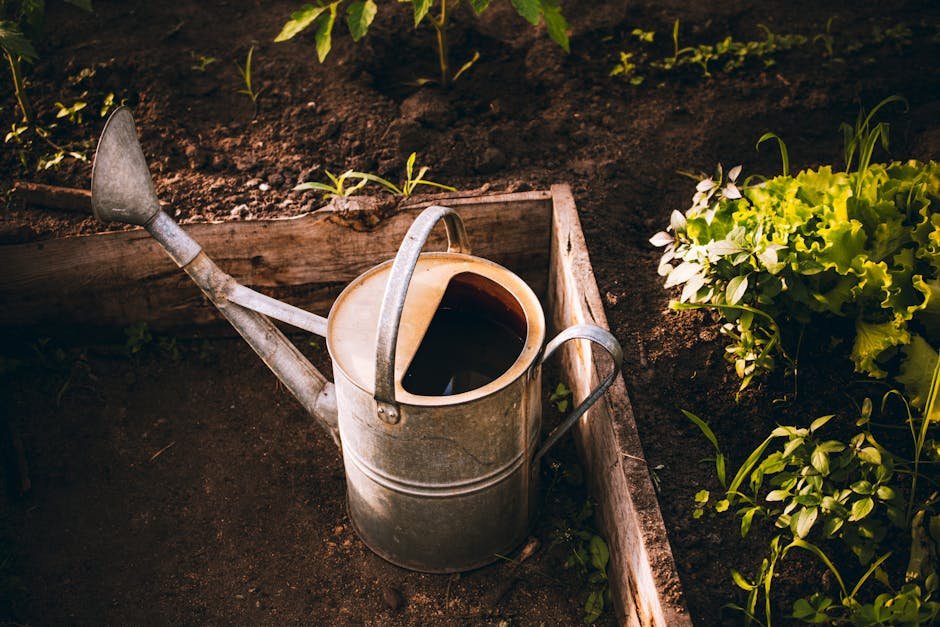
Building a raised garden bed is a fantastic way to start gardening, especially for beginners. Raised beds provide better soil drainage, improved accessibility, and can be an attractive addition to your garden. This guide will walk you through the materials, tools, and steps needed to create your very own raised garden bed.
Materials
- Wood planks (e.g., untreated pine or cedar) – 2.5 cm x 15 cm x 240 cm
- Wood screws (5 cm) or nails
- Landscape fabric
- Soil mix (topsoil, compost, and peat moss)
- Mulch (optional)
Tools
- Measuring tape
- Power drill or hammer
- Saw (hand saw or power saw)
- Level
- Gloves
- Rake
Steps
- Choose a Location: Select a sunny spot in your garden that receives at least 6-8 hours of sunlight a day. Ensure the area is relatively flat and has good drainage.
- Decide on the Size: A common size for a raised garden bed is 1.2 m x 2.4 m, but you can adjust the dimensions to fit your space. The height should be around 30-45 cm, depending on what you plan to grow.
- Cut the Wood: Use your saw to cut the wood planks to your desired lengths. You will need four vertical pieces for the corners and four horizontal pieces for the sides.
- Assemble the Frame: Lay the pieces out to form a rectangle or square. Secure the corners with wood screws or nails, making sure the frame is level as you go.
- Prepare the Site: Clear the area where the bed will sit of any grass or weeds. You may want to lay down landscape fabric to prevent weeds from coming up through your soil.
- Position the Frame: Place your assembled frame on the prepared site. Ensure it is level and adjust if necessary.
- Fill with Soil: Mix your soil ingredients (topsoil, compost, peat moss) together in a wheelbarrow or large container. Fill the raised bed with this mix, leaving about 5 cm from the top to allow room for mulch.
- Plant Your Seeds or Seedlings: Choose plants suitable for your climate and space. Follow seed packet instructions for planting depth and spacing.
- Water Thoroughly: After planting, water your garden bed well. Ensure the soil is moist but not waterlogged.
- Add Mulch: If desired, apply a layer of mulch on top of the soil to help retain moisture and suppress weeds.
Maintenance Tips
Check your garden bed regularly for weeds and pests. Water your plants as needed, especially during dry spells. Consider rotating your crops each season to promote soil health.
Safety
- Always wear gloves when handling wood and soil to protect your hands.
- Use caution when operating power tools and ensure you follow the manufacturer’s instructions.
- Be mindful of your posture to avoid strain while digging or planting.
FAQ
Q: How deep should a raised garden bed be? A: A depth of 30-45 cm is ideal for most vegetables and flowers.
Q: Can I use treated wood for my raised garden bed? A: It’s best to avoid treated wood, as chemicals can leach into the soil. Untreated wood or natural materials are safer options.