 Brico loco
Related Articles





Cordless vs. Corded Electric Drills for Home DIY: Which Is Right for You?

Choosing the right electric drill can greatly impact your home DIY projects. The debate between cordless and corded drills continues, as each type offers distinct advantages based on your needs, workspace, and experience level. This guide outlines the key differences to help you determine which drill best suits your DIY approach.
1. Cordless Drills: Freedom and Flexibility
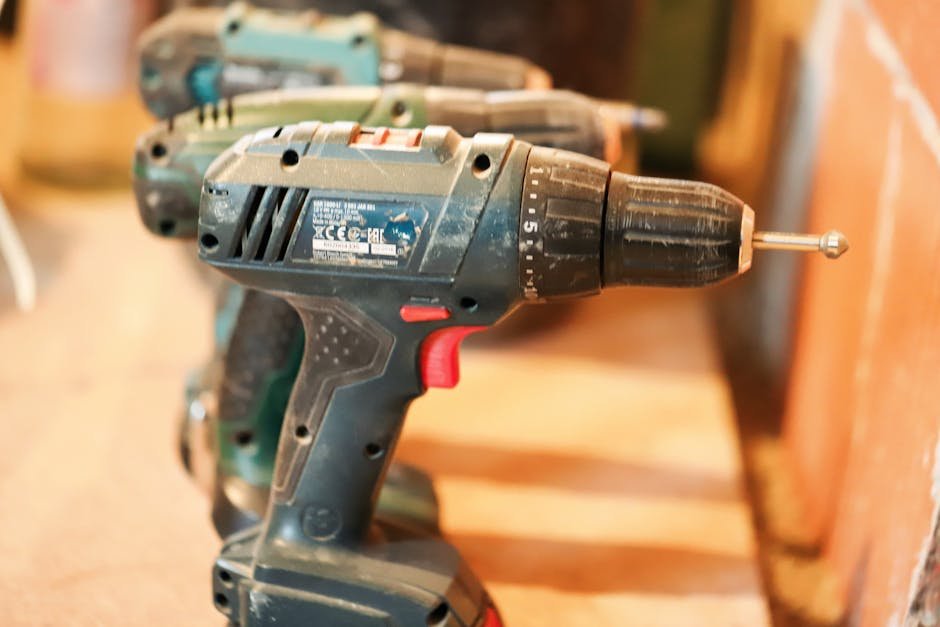
- Portability: Cordless drills run on rechargeable batteries, allowing you to work anywhere without being tied to a power outlet. This is especially convenient for outdoor or remote projects.
- Versatility: Modern cordless drills handle most light to medium tasks such as assembling furniture, hanging shelves, and drilling into wood or drywall.
- Convenience: Without concerns about cord length or extension cables, setup is quicker and safer, minimizing tripping hazards.
Considerations:
- Battery life can limit continuous use; having a charged spare battery is advisable for longer projects.
- Cordless models tend to be heavier due to their batteries, which may cause fatigue during extended use.
- They are generally more expensive than basic corded models, especially when accounting for replacement batteries.
2. Corded Drills: Reliable Power and Performance
- Consistent Power: Corded drills provide continuous, reliable performance without runtime concerns. They are ideal for heavy-duty tasks or drilling into tougher materials like masonry or thick metal.
- Lighter Weight: Without the added weight of batteries, corded drills are usually lighter, making them comfortable for longer use.
- Affordability: Generally more budget-friendly with minimal ongoing costs since they don’t require batteries or chargers.
Considerations:
- They require constant access to an electrical outlet, which can be a limitation in some areas or outdoor settings.
- Cords can present trip hazards and restrict movement around your work area.
- Extension cords might be necessary for larger spaces, adding setup time and potential clutter.
3. Which Drill Should You Choose?
| Feature | Cordless Drill | Corded Drill |
|---|---|---|
| Best For | Light-to-medium tasks, portability | Heavy-duty, continuous use |
| Power Source | Rechargeable battery | Electrical outlet |
| Weight | Heavier | Lighter |
| Cost (initial) | Higher | Lower |
| Ongoing Costs | Battery replacement | Minimal |
4. Safety Tips
- Always wear appropriate protective gear, such as goggles and gloves.
- Inspect the drill and power source before use—never operate a damaged tool.
- Keep work areas tidy to avoid tripping on cords or dropping batteries.
- Unplug corded drills when not in use and remove batteries from cordless drills during bit changes.
Conclusion
The ideal drill for your home DIY projects depends mainly on your typical tasks and workspace. For portability and ease of use, a cordless drill is an excellent option. If you require continuous power for demanding tasks or want a more budget-friendly choice, a corded drill may be more suitable. Evaluate your projects, consider each drill’s benefits, and always prioritize safety for the best DIY experience.