 Brico loco

Related Articles




Best Way to Build a Soundproof Home Office Door Using Weatherstripping and Acoustic Panels
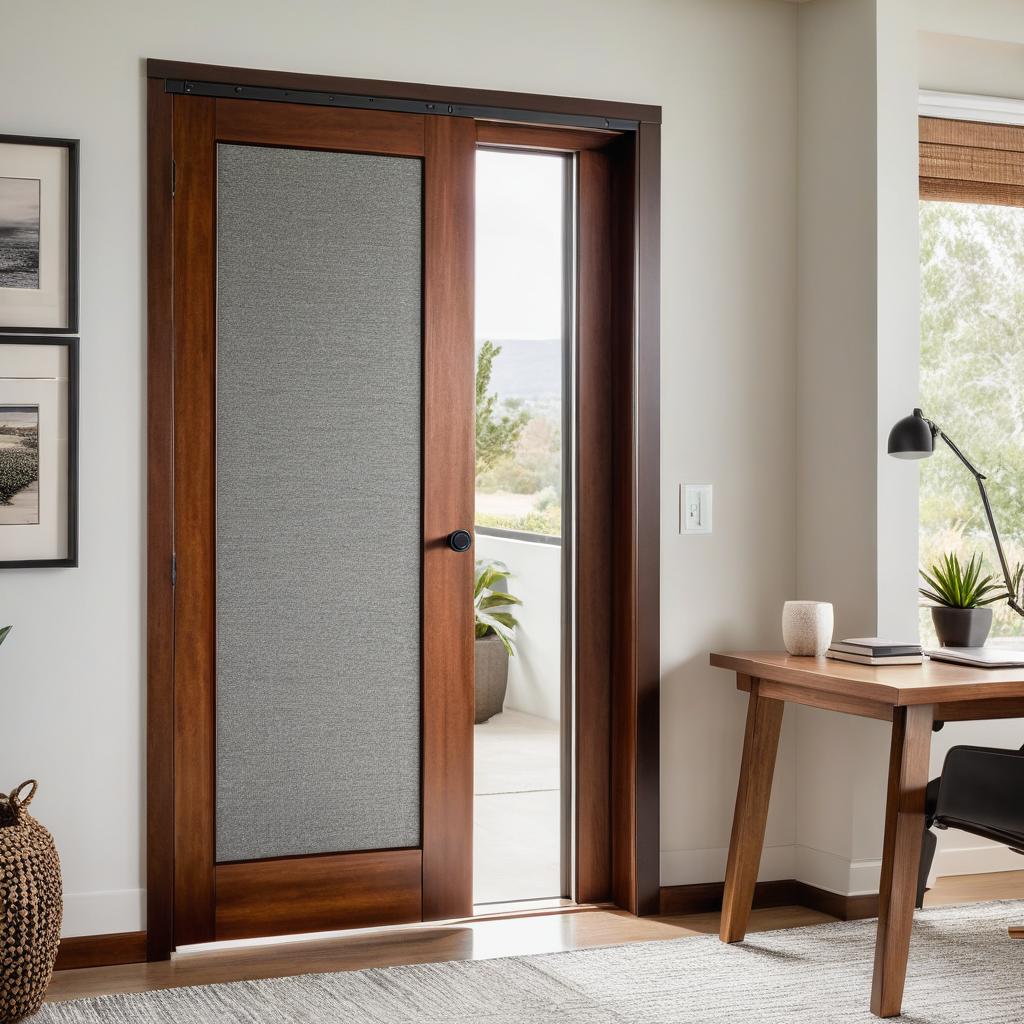
Introduction
A soundproof home office can significantly boost productivity and focus by minimizing distractions. Key to achieving this is building a soundproof door using targeted materials and techniques.
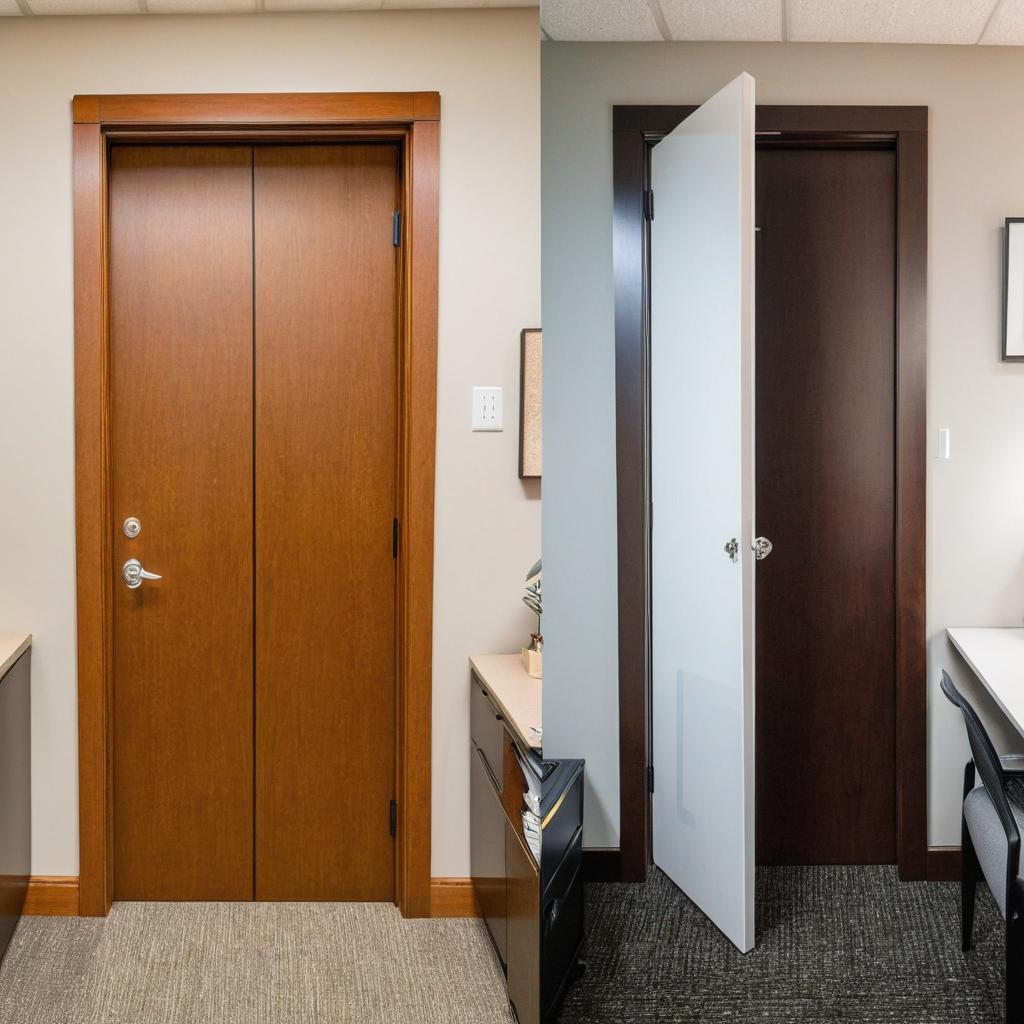
Soundproofing not only reduces interruptions but also enhances privacy, improves audio quality during meetings, and creates a focused workspace. This guide shows how to soundproof a door with weatherstripping and acoustic panels.
Understanding Soundproofing Concepts
Soundproofing controls sound movement through structures, unlike sound absorption, which reduces sound reflections. Doors are often weak points for soundproofing due to gaps and thinner materials.
Weatherstripping blocks sound by sealing gaps, while acoustic panels absorb sound waves to reduce echo. Understanding how these elements work together is vital for effective soundproofing.
Required Materials and Tools

Weatherstripping
Types of weatherstripping include:
- Foam: Flexible and compressible, ideal for uneven gaps in older doors.
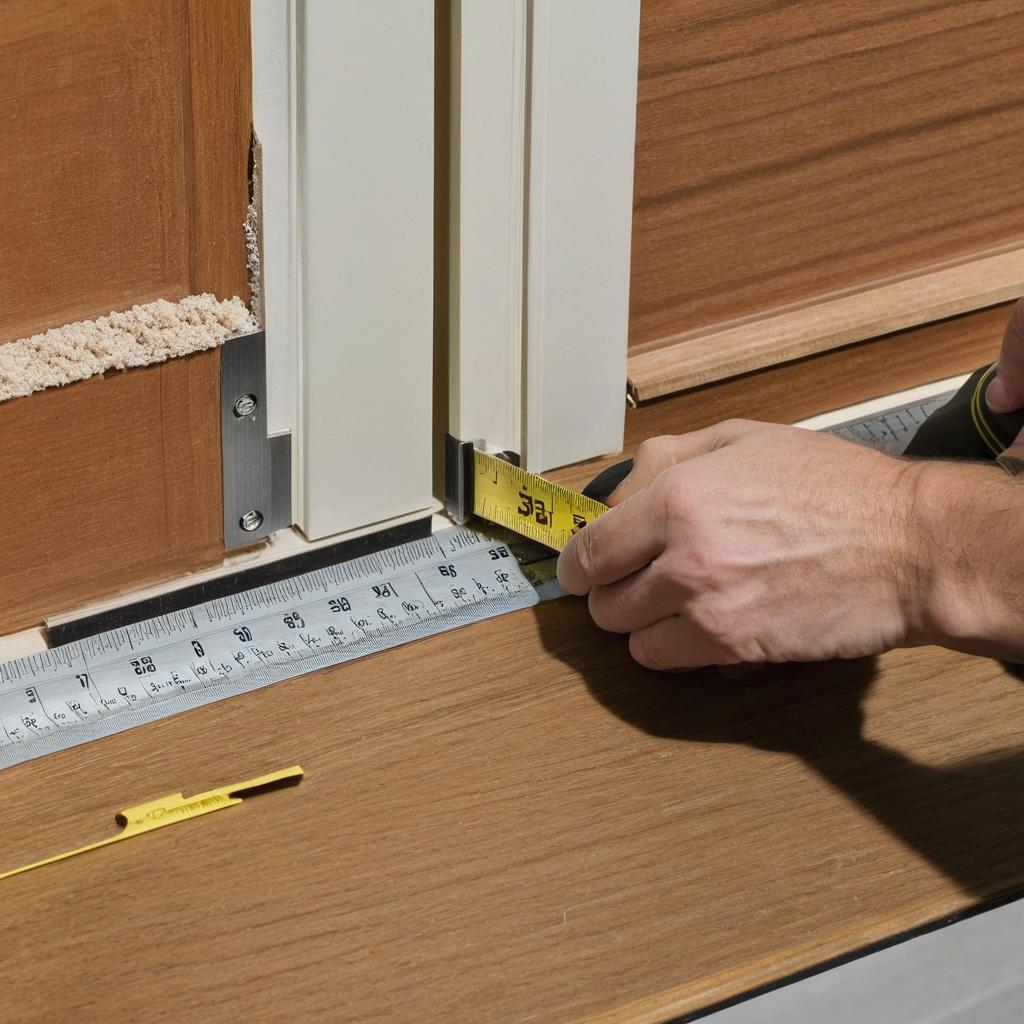
- Rubber: Durable and provides a secure seal; perfect for newer, smooth-surface doors.
- Vinyl: Water-resistant and sturdy, suitable for high-traffic or exterior doors.
Acoustic Panels
Choose from these acoustic panel options:
- Foam Panels: High-density versions offer better absorption and come in various designs for aesthetics.
- Fabric-Covered Panels: Combine decorative appeal with substantial sound dampening, matching your interior decor.
Tools
You’ll need:
- Utility knife: For precise cuts on weatherstripping and panels.
- Measuring tape: Ensures accurate cuts and placements.
- Level: Aligns weatherstripping and panels neatly.
- Adhesive applicator: Applies adhesive evenly for strong holds.
- Safety goggles: Protects eyes from debris.
- Gloves: Safeguard hands when handling sharp materials.
Preparing Your Door for Soundproofing
Begin by assessing your door for wear and measuring the frame for a precise fit.
- Thoroughly clean the door surface to ensure strong adhesion; remove any old adhesive residues or dirt.
Installing Weatherstripping
Selecting the Right Material
Select weatherstripping that matches your door frame type for flexibility and durability. Here’s how to apply it:
- Measure each side of the door frame using a tape measure, double-checking for accuracy to avoid errors.
- Cut the weatherstripping to size with a utility knife, maintaining straight edges for a tight seal.
- Press the weatherstripping firmly along the door frame edges for full adhesion and a snug fit.
- Use a flashlight to check for light leaks, pressing down any loose sections to ensure a comprehensive seal.
Applying Acoustic Panels
Strategic Placement
Place acoustic panels on the door strategically to maximize absorption:
- Cut panels to fit the door dimensions, ensuring they don’t interfere with the door’s functions.
- Fix the panels with adhesive, starting from the center to avoid bubbles, ensuring secure adhesion.
Finishing Touches and Maintenance
Maintain your soundproof door to ensure lasting effectiveness. Seal any gaps for airtightness.
- Regularly check weatherstripping and panels for wear, as material breakdown can reduce soundproofing.
- Promptly replace damaged parts to maintain functionality and smooth door operations.
For replacing panels, apply gentle heat to soften adhesives, then carefully remove to prevent damage.
Conclusion
To soundproof your home office door, choose weatherstripping and acoustic panels wisely and follow each step carefully. A well-soundproofed door enhances work efficiency and creates a relaxing space by controlling noise. These improvements elevate your home’s overall acoustics, contributing to a peaceful living environment.
Warnings
- Ensure adequate ventilation when using adhesives to avoid inhaling harmful fumes.
- Use cutting tools carefully to prevent injuries.
- Double-check all measurements before cutting to avoid waste and ensure a professional result.